
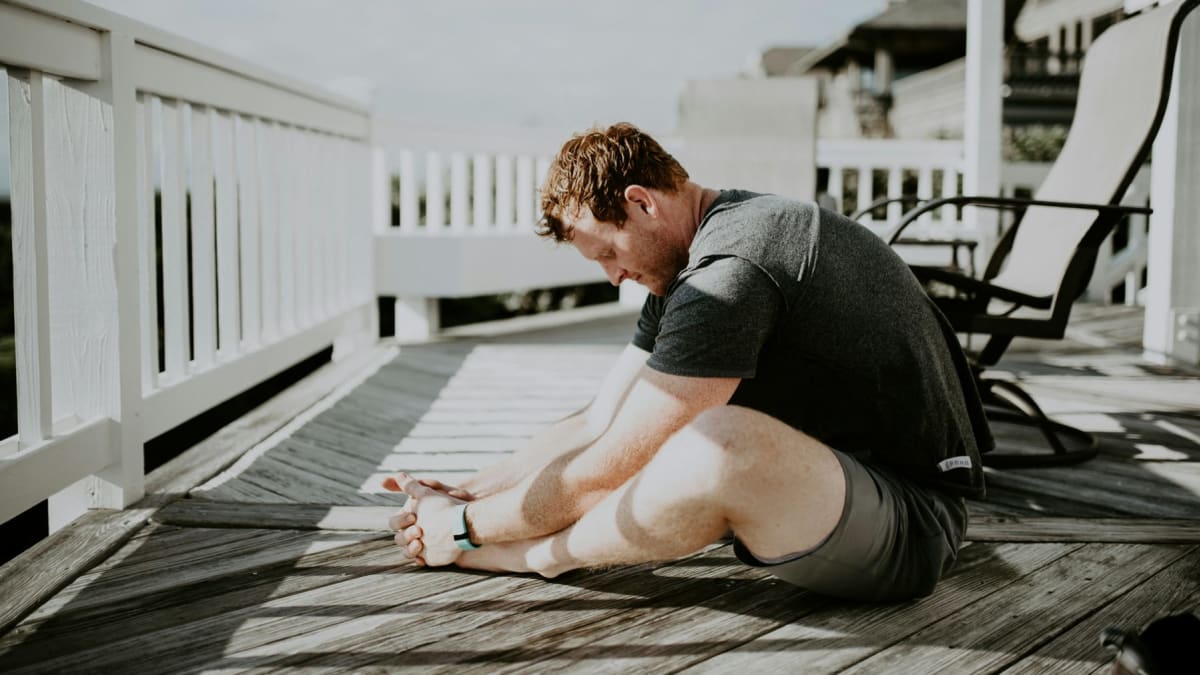
The point
Easy movement increases blood flow, keeps joints moving and lowers the stiffness that follows hard sessions, without adding fatigue. Guidance on recovery and overtraining from the ACSM supports keeping easy days easy.
What counts
| Yes | No |
|---|---|
| Walking, easy cycling, swimming | Intervals, hill sprints |
| Mobility and light stretching | Max-effort flexibility sessions |
| Slow technical drilling, kata, forms | Sparring, hard pad rounds |
| Light kettlebell flow, bodyweight circuits at conversational pace | Anything you would log as a workout |
30-minute template
- 10 min easy walk or bike
- 8 min hip mobility or the shoulder equivalent
- 8 min slow shadowboxing or forms at half speed
- 4 min breathing, lying down
One or two per week between hard days. If you feel better after, it was right; if you feel more tired, it was training in disguise. The bigger recovery levers are sleep and planned deload weeks. A plain-language overview of why rest matters is on MedlinePlus.
KX
KUNGFOOLX editorialWritten from public research summaries and established coaching practice, reviewed for general accuracy. Not medical advice; individual needs vary. Talk to your physician or a qualified coach before changing your training.