
Martial Arts
Art-specific training: the dummy, the kata, the clinch, the slow forms. Technique belongs to your instructor; this is the supporting work.
We do not teach technique on a website; your instructor does that. What this section does is explain how the physical demands of each art can be trained outside class, from wooden dummy conditioning to clinch strength to using kata as conditioning. Background on the arts themselves is available on Wikipedia's martial arts pages.
Latest in Martial Arts
All stories →
Wing chun wooden dummy conditioning
The dummy teaches angles, structure and contact tolerance. It also punishes anyone who treats it like a heavy bag.
Read now →Tai chi for balance and longevity
The slow art has some of the best evidence in the martial arts world, specifically for balance and falls. It is not a replacement for lifting; it is a complement.
Read now →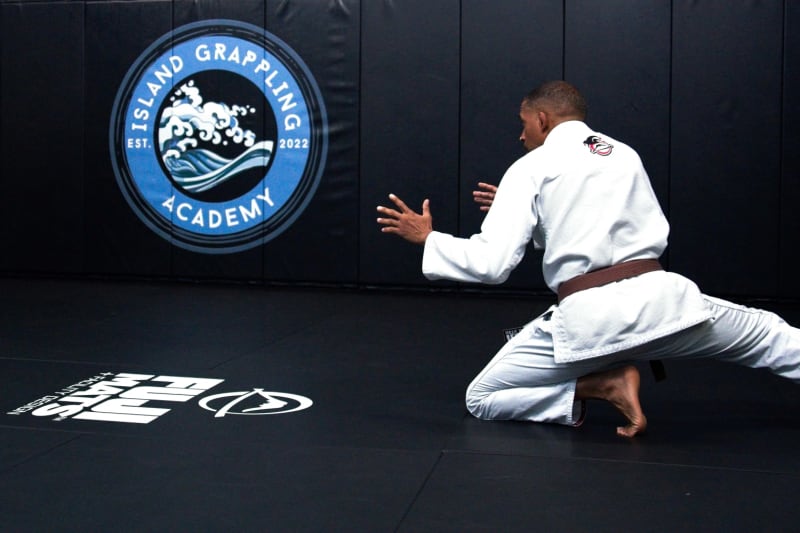
Karate kata as conditioning
Forms are a workout hiding inside a syllabus. Change the tempo and the reps and they become strength and endurance training that is easy on the joints.
Read now →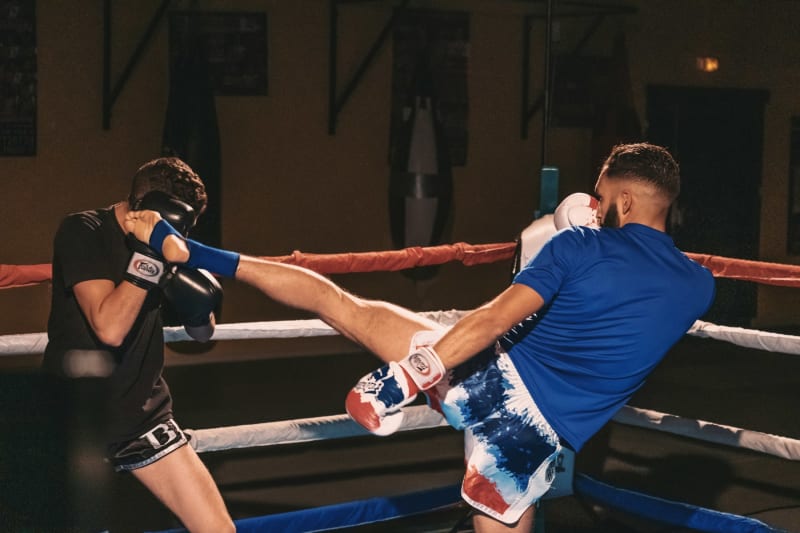
Muay Thai clinch strength
The clinch is a strength position disguised as technique. Posture, neck and grip decide who controls the plum.
Read now →
Grappling after 40: injury prevention
Jiu-jitsu after 40 is common and sustainable. The men who stay on the mats roll smart, tap early and lift.
Read now →Did you know?
The name of this site is a joke at our own expense. Everyone who trains long enough has been the fool in the room. The X is for the version of you that keeps showing up anyway.